
Nine Days Without A Phone
Libby Gooneratne | MAY 29, 2025
#reallifemoments
#rainydays
Nine Days Without A Phone
Libby Gooneratne | MAY 29, 2025
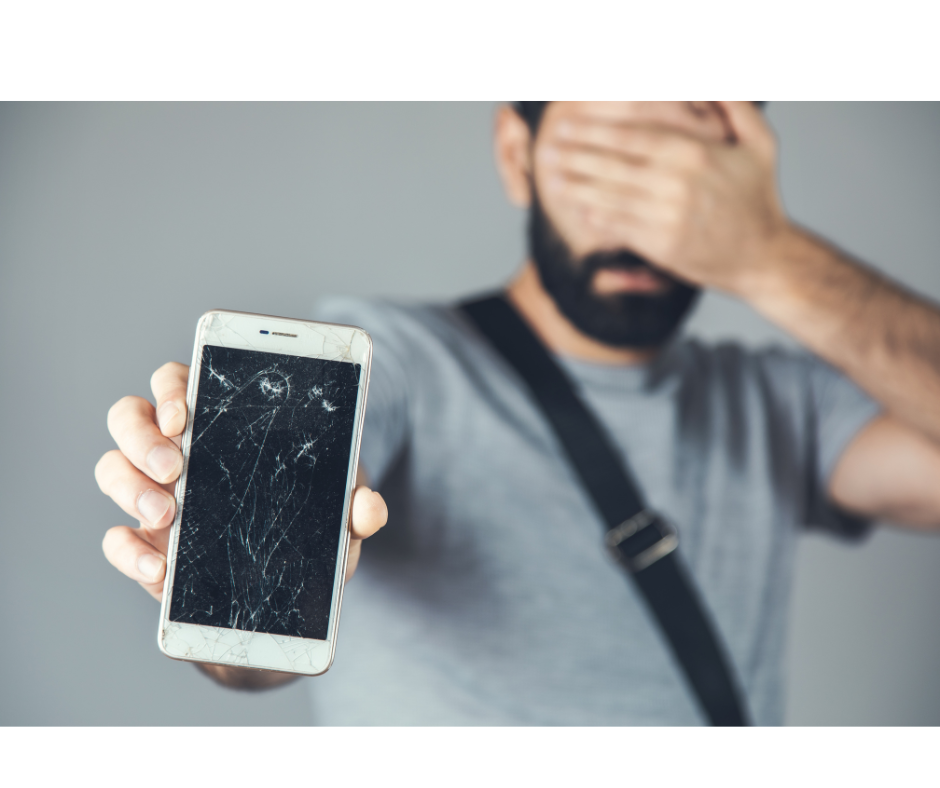
According to research at Exploding Topics, on average, people spend about 4 hours and 37 minutes per day on their phone (excluding voice calls) and check their phone 58 times per day. So, while you and me could be the outliers to this or maybe smack bang in the middle, it is a fair question to ask ourselves how would we function and what would happen if we had 0 hours and no access to our phones.
I wanted to share with you what I learnt from my personal experience of an unplanned and unforeseen nine days without a phone.
Reflections and Lessons Learnt
1. Hands Free/ No Filter > The joy of being hands free to experience nature and life activities with my own eyes rather than through a lens or fussing to capture everything on camera.
2. Less screen time = more me time > The freedom that comes with less interruptions, increased productivity, ease and ability to do work that requires deep thinking and focus. I also noticed I was able to be more present in my interactions with others. Even using a simple wrist watch and alarm clock to check what the time is and set an alarm prevented mindless phone wandering (often which occurs just before going to bed when all I need to do is set my alarm).
3. More appropriate screen time and tools > The physical benefits and ease that came with doing administrative tasks using a big screen (i.e. sitting at a desk using a computer, a monitor, a mouse & keyboard (‘I know… how old school’, what a luxury!)). All this at my fingertips previously but often not utilized well as a phone is just too easy and always in reach. I even observed my kids very happily enjoying cartoons together rather than being on separate devices (one of which is usually my phone which was simply not available).
4. Avoiding ‘Always On’ > The freedom and peace that comes with provisioning specific times and places for communication rather than delivering at random and being on alert and reactive to whatever comes my way at any time, day or night.
5. Contingency Plans Pay Off > The importance of having a plan B for critical day to day communications and logistics (i.e. a spare phone kept for that rainy day event or having primary communication platforms set up on an alternative device).
Phones are amazing tools! And, if given a choice I prefer to be WITH a phone than WITHOUT. But, I am blown away at the realisation of how much I had allowed my phone to dictate my priorities and attention. A week without a phone inspired me to review and optimise the way I use my phone. I am determined to not allow myself to get mindlessly sucked into phone use that is not only suboptimal but can steel my precious time and life experiences.
What would you do differently if you did not have a phone? Could any of these behaviors be helpful to you even when you do have a phone on hand?
What activities are you doing on your phone right now that might be better suited to a different device?
How are you able to reduce the ‘always on and always connected’ nature of carrying a phone?
What’s your Plan B to help ensure critical communications and logistics can still happen if something did happen to your phone?
Just in case you were curious to how this all came about in the first place. It all started with a WhatsApp video call, whereby my phone was being held up by a set of coasters near the edge of a table. You guess it! Then, there was an opps and a fall, followed by the black screen of death. With hubby away for ten days thereafter (with a new phone promised upon return), I had all communications cut and had to decide how I would operate for the next nine days with two kids in tow and no phone.
And, in case you are still curious how I did it… the main things I had to work out were cancellations, basic method of communication and transportation.
So how did I go? Luckily at home I had Wi-Fi, a computer and a Samsung Tablet. Sadly, however in terms of communication platforms, I was locked out of both WhatsApp and FB Messenger as these were logged out on my devices and required a 2FA (Two factor authentication) via mobile (remember black screen of death) to gain access. So, even with the Wi-Fi and other devices at home, I was locked out!
So, I initially emailed by husband to: (1) Cancel all personal appointments for the next week (so my sweet friends would know why I just didn’t turn up and avoid sending out a search party), and (2) Let his parents know I would need to come to their house the following day to use my sim card in one of their phones to authorise/ set up WhatsApp and FB Messenger on my other devices. Then, I found I was able to download Uber onto my Samsung Tablet and utilise home Wi-Fi, or if out and about, tap into a café or another person’s Wi-Fi/hotspot to make bookings and get in touch.
Conclusion, it is no fun losing a phone like this or going through the not so optimal ways of working for nine days. However, I had an amazing week with my two kids, local community and learnt a lot! I feel I am able to take these lessons learnt forward with me to better manage how and when I use my phone to serve me and not the other way around.

Libby Gooneratne | MAY 29, 2025
Share this blog post
 OfferingTree